When businesses start building their online presence, one of the first questions that comes up is whether they need a landing page or a full company profile website. Both play important roles, but they serve different purposes.
Choosing the right format at the right time helps you focus your investment, communicate clearly, and support your growth strategy instead of spreading effort too thin.
1. What is a landing page?
A landing page is a single, focused page designed around one specific goal — capturing leads, promoting a single offer, or driving sign-ups for a campaign.
It usually has minimal navigation, a clear message, and a strong call-to-action that guides visitors toward one action.
Ideal for campaigns, promotions, or one core offer.
Helps you test messaging and conversion without building a full site.
Simplifies the journey by reducing distractions and choices.
2. What is a company profile website?
A company profile website is a multi-page site that presents your business as a whole: who you are, what you offer, your team, your work, and how people can contact you.
It supports long-term brand building and acts as a central reference point for your online presence.
Includes pages such as Home, Services, About, Portfolio, and Contact.
Helps potential customers understand your brand and capabilities.
Serves as the destination for multiple marketing channels over time.
3. When a landing page is the better choice
A landing page is often the best starting point when you have one clear offer or campaign and need to validate demand or generate leads quickly.
It can also complement an existing website by acting as a dedicated destination for ads and specific promotions.
You are running ads or social campaigns for one product or service.
You want to test a new offer before investing in a full website.
You need a simple, conversion-focused page with a clear CTA.
4. When a company profile website is the better choice
A company profile website is more suitable when you need to present multiple services, tell your brand story, and support broader customer journeys over time.
It gives prospects room to explore, compare, and build trust before contacting you.
Your business has several services or products that need explanation.
You rely on long-term brand perception and relationships.
You want a stable home for content such as case studies and articles.
5. How to combine both effectively
In many cases, the strongest approach is to use both: a company profile website as your foundation, and landing pages as focused entry points for specific campaigns.
This lets you keep your brand central while tailoring the experience for different audiences and offers.
Direct ads and email campaigns to dedicated landing pages.
Link landing pages back to your main site for deeper information.
Use data from landing pages to improve your company profile website.
Conclusion: Choose based on your goals, not trends
The choice between a landing page and a company profile website should be driven by your current goals, audience, and resources. A landing page is perfect for focused campaigns and quick validation, while a company profile website supports long-term brand building and multi-channel marketing.
When you align format with strategy, your website becomes a tool that truly supports your business growth instead of just following design trends.
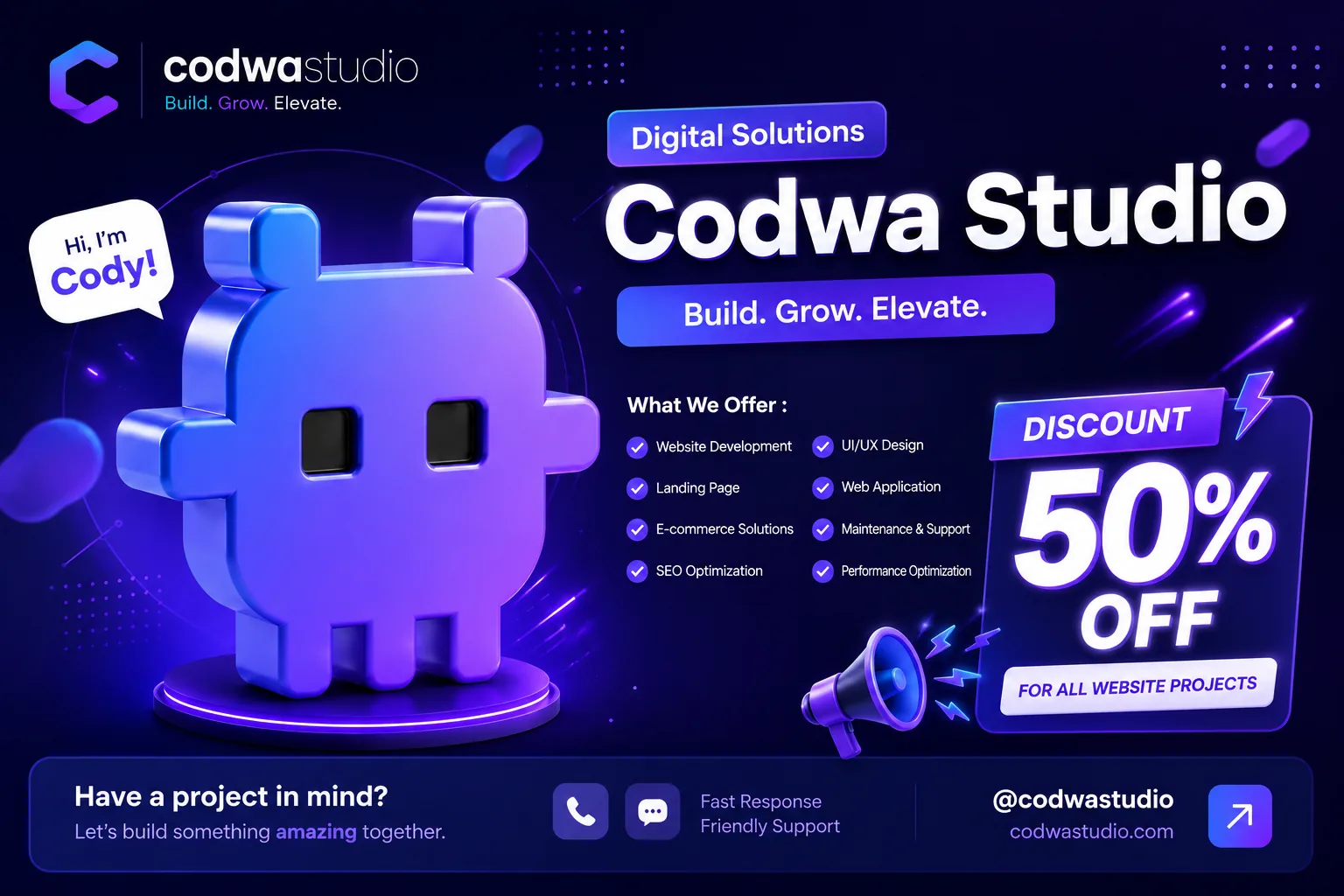
If you decide that a company profile website is the right choice for your business, explore Codwa Studio's Company Profile Website services to see how our team can help bring it to life.